
Wine lovers often hear the phrase Old World vs New World wine when exploring bottles from different regions, but what does it really mean? At its core, the distinction refers to geography, climate, tradition, and stylistic approach. Old World wines come from countries with centuries of winemaking history, such as France, Italy, Spain, and Germany. New World wines are produced in regions where viticulture developed more recently, including the United States, Australia, New Zealand, Chile, Argentina, and South Africa. While both categories produce exceptional wines, they often differ in flavor profile, structure, labeling practices, and winemaking philosophy. Understanding these differences can help you select wines that suit your palate and enhance your appreciation for global wine culture.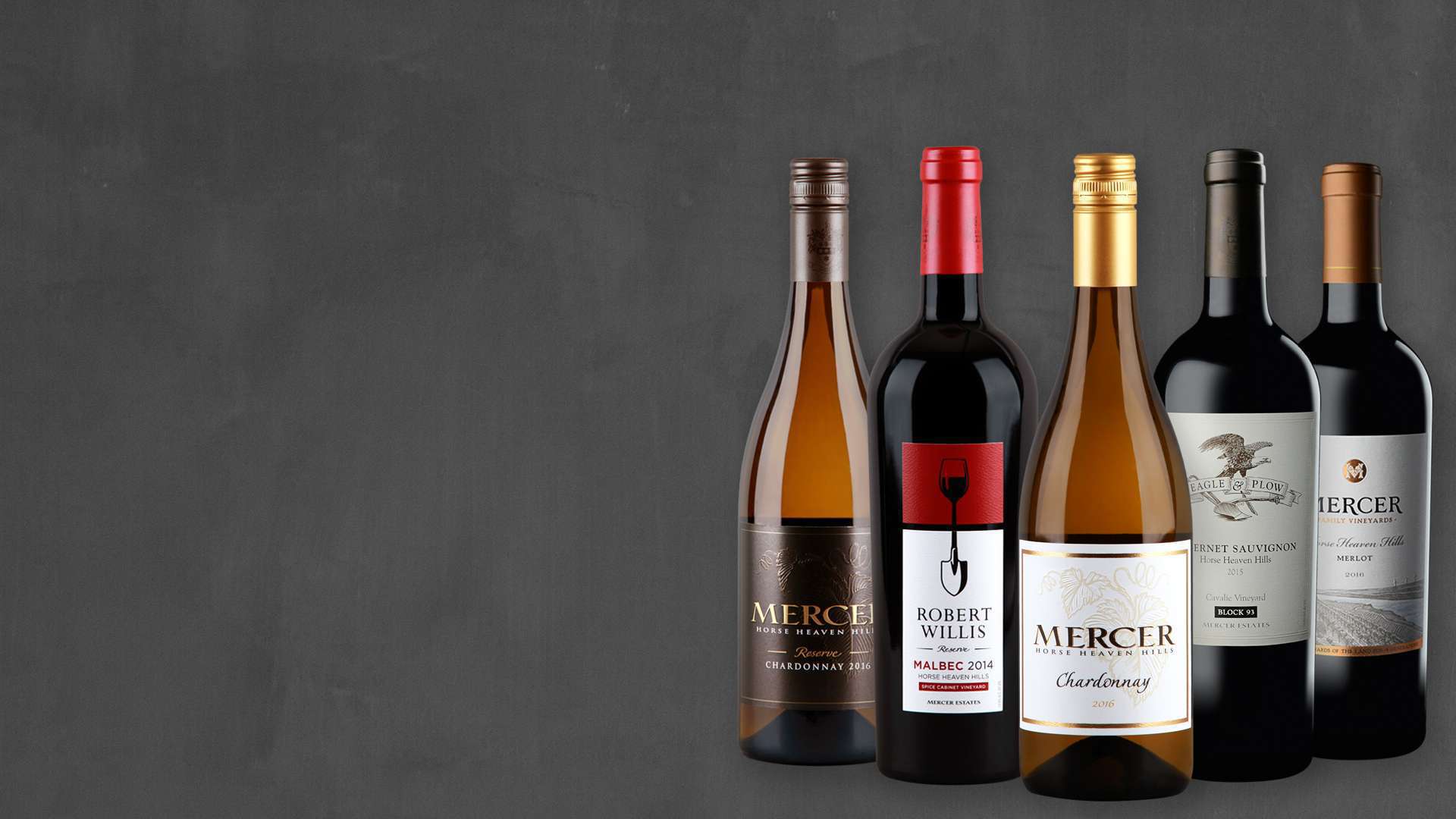
What’s the Difference Between Old World and New World Wine?
The primary difference between Old World and New World wine lies in tradition versus innovation. Old World regions are deeply rooted in centuries of established practices, often governed by strict appellation laws that regulate grape varieties, yields, and production methods. The focus is typically on expressing terroir, the unique combination of soil, climate, and geography that influences how grapes grow and how the finished wine tastes.
New World regions, by contrast, tend to embrace flexibility and experimentation. Without the same historical regulations, winemakers have greater freedom to explore grape varieties, blending techniques, and aging methods. The result is often wines that are fruit-forward, approachable, and clearly labeled by grape variety rather than region.
Key distinctions include:
- Geography: Old World wines come from Europe. New World wines originate from regions outside Europe.
- Labeling: Old World labels often emphasize a region such as Bordeaux or Chianti. New World labels typically highlight grape varietals like Cabernet Sauvignon or Chardonnay.
- Style: Old World wines are generally more restrained and earthy. New World wines often emphasize ripe fruit and bold flavors.
- Alcohol levels: New World wines frequently have higher alcohol content due to warmer growing conditions.
These differences are generalizations rather than strict rules. Many winemakers today blend tradition with modern techniques, creating wines that blur the lines between the two categories.
Old World vs New World Wine Regions Explained
Old World wine regions are primarily located in Europe and include some of the most historically significant areas in viticulture:
- France, home to Bordeaux, Burgundy, and Champagne
- Italy, known for Tuscany, Piedmont, and Veneto
- Spain, with Rioja and Ribera del Duero
- Germany, famous for Riesling from the Mosel
These regions have refined grape growing and winemaking over hundreds of years, often developing signature styles tied to specific local conditions.
New World wine regions include:
- United States, particularly California and Washington State
- Australia, including Barossa Valley and Margaret River
- New Zealand, known for Marlborough Sauvignon Blanc
- Chile and Argentina in South America
- South Africa
These regions may have shorter histories in winemaking, but they have quickly gained global recognition for quality and innovation.
How Climate Shapes Wine Styles
Climate plays a central role in shaping the differences between Old World and New World wines. Temperature, sunlight, rainfall, and growing season length all influence grape ripeness and flavor development.
Many Old World regions have moderate to cool climates. Cooler temperatures slow down grape ripening, which can lead to:
- Higher natural acidity
- Lower alcohol levels
- More subtle fruit flavors
- Greater emphasis on mineral and earthy notes
For example, Cabernet Sauvignon grown in Bordeaux often displays structured tannins, moderate alcohol, and flavors of blackcurrant, cedar, and graphite.
In contrast, many New World regions benefit from warmer climates with more consistent sunshine. Warmer conditions allow grapes to ripen more fully, producing:
- Higher sugar levels that convert to higher alcohol
- Riper, bolder fruit flavors
- Softer acidity
- More pronounced body
Cabernet Sauvignon from warmer New World regions may show flavors of blackberry, plum, chocolate, and vanilla, often with a rounder mouthfeel.
Desert and semi-arid climates, such as those found in parts of Washington State, can offer a compelling balance. Warm days encourage full ripening, while cool nights help preserve acidity. This temperature swing contributes to wines with concentrated fruit flavors and refined structure.
Flavor Differences Between Old and New World Wines
Flavor profiles are one of the most noticeable distinctions when comparing Old World and New World wines. While climate is a major factor, winemaking philosophy also influences the final result.
Old World wines are often described as:
- Earthy
- Mineral driven
- Subtle and layered
- Structured with firm tannins
- Lower in alcohol
Common tasting notes may include dried herbs, leather, tobacco, forest floor, and crushed stone alongside restrained fruit flavors. The emphasis is typically on balance and complexity rather than boldness.
New World wines, on the other hand, are frequently characterized as:
- Fruit forward
- Bold and expressive
- Full-bodied
- Higher in alcohol
- Smooth and approachable
You might notice vibrant notes of ripe berries, tropical fruits, jam, vanilla, baking spice, and chocolate. Oak aging is often used to enhance richness and roundness.
It is important to note that these characteristics are not rigid categories. Globalization and evolving consumer preferences have encouraged cross-influence. Some Old World producers now craft more fruit-driven wines, while some New World winemakers aim for elegance and restraint.
How Winemaking Traditions Differ
Tradition shapes much of the Old World wine identity. European wine regions are often regulated by strict classification systems that dictate:
- Approved grape varieties
- Vineyard yields
- Aging requirements
- Geographic boundaries
These regulations are designed to preserve historical styles and maintain quality standards. As a result, Old World winemaking often emphasizes minimal intervention, allowing the vineyard and terroir to speak through the wine.
New World winemaking generally offers more flexibility. Producers may experiment with:
- Innovative blending combinations
- New fermentation techniques
- Modern oak treatments
- Advanced vineyard technology
This openness has led to rapid advancements in vineyard management and cellar practices. Stainless steel fermentation tanks, controlled temperature environments, and precision irrigation are commonly used to achieve consistency and optimize grape quality.
Despite these differences, both Old and New World winemakers share a commitment to craftsmanship and excellence. Many New World producers draw inspiration from European traditions while applying modern techniques to highlight regional characteristics.
Which Wine Style Is Right for You?
Choosing between Old World and New World wine ultimately comes down to personal preference. Each style offers distinct experiences that suit different occasions and palates.
You may prefer Old World wines if you enjoy:
- Higher acidity and food-friendly structure
- Subtle, savory flavors
- Wines that evolve slowly in the glass
- A strong sense of place and tradition
Old World wines often pair beautifully with classic European cuisine such as roasted meats, aged cheeses, and herb-driven dishes.
You may lean toward New World wines if you appreciate:
- Bold fruit flavors
- Fuller body and richer texture
- Approachable tannins
- Clear varietal expression
New World wines frequently complement grilled meats, barbecue, and dishes with bold seasoning.
Many wine enthusiasts enjoy both styles depending on the moment. A crisp Old World white might shine at a formal dinner, while a plush New World red could be perfect for a casual gathering. Exploring wines from different regions allows you to discover what resonates most with your taste preferences.
Experience the Best of New World Craftsmanship with Mercer Wine Estates
As the New World wine landscape continues to evolve, certain regions stand out for their exceptional quality and distinctive character. In Washington State, the Horse Heaven Hills provide an ideal environment for cultivating premium wine grapes. Since planting the first wine grapes in 1972, the Mercer family has built a legacy rooted in dedication, innovation, and respect for the land.
The region’s rich soil and desert climate create optimal conditions for Cabernet Sauvignon, producing wines with elegant tannin structures and enticing flavor profiles. Warm days promote full ripening, while cool evenings help preserve balance and complexity. This combination results in Cabernet Sauvignons that are both powerful and refined.
The success of the vineyard eventually led to the first vintage from Mercer Estates Winery in Prosser, Washington, in 2005. Today, Mercer Wine Estates continues to craft mouth-watering Cabernet Sauvignons along with world-class red blends and single varietal wines that reflect the character of the Horse Heaven Hills.
Whether you are exploring the differences between Old World and New World wine or simply searching for your next favorite bottle, discovering wines from Washington State offers an exciting perspective. Mercer Wine Estates exemplifies the best of New World innovation paired with a deep respect for terroir.
Explore our collection, learn more about our winemaking philosophy, and experience the bold elegance of Mercer wines for yourself.