
When wine lovers ask what is a Bordeaux blend, they are usually referring to one of the most influential and widely replicated wine styles in the world. A Bordeaux blend is a wine made from a combination of specific grape varieties that originated in the Bordeaux region of southwestern France. Rather than relying on a single grape, these wines emphasize balance, structure, and complexity by blending multiple varieties, each contributing distinct characteristics to the final wine. Over centuries, this approach has shaped how premium red wines are produced across the globe and remains a benchmark for quality, aging potential, and elegance.
At its core, a Bordeaux blend reflects the philosophy that wine can be greater than the sum of its parts. Climate variability, soil diversity, and vintage differences in Bordeaux historically encouraged winemakers to blend grapes for consistency and harmony. This practical solution eventually became an art form. Today, Bordeaux blends are prized for their layered flavors, refined tannins, and versatility with food, making them equally appealing to casual drinkers and serious collectors.
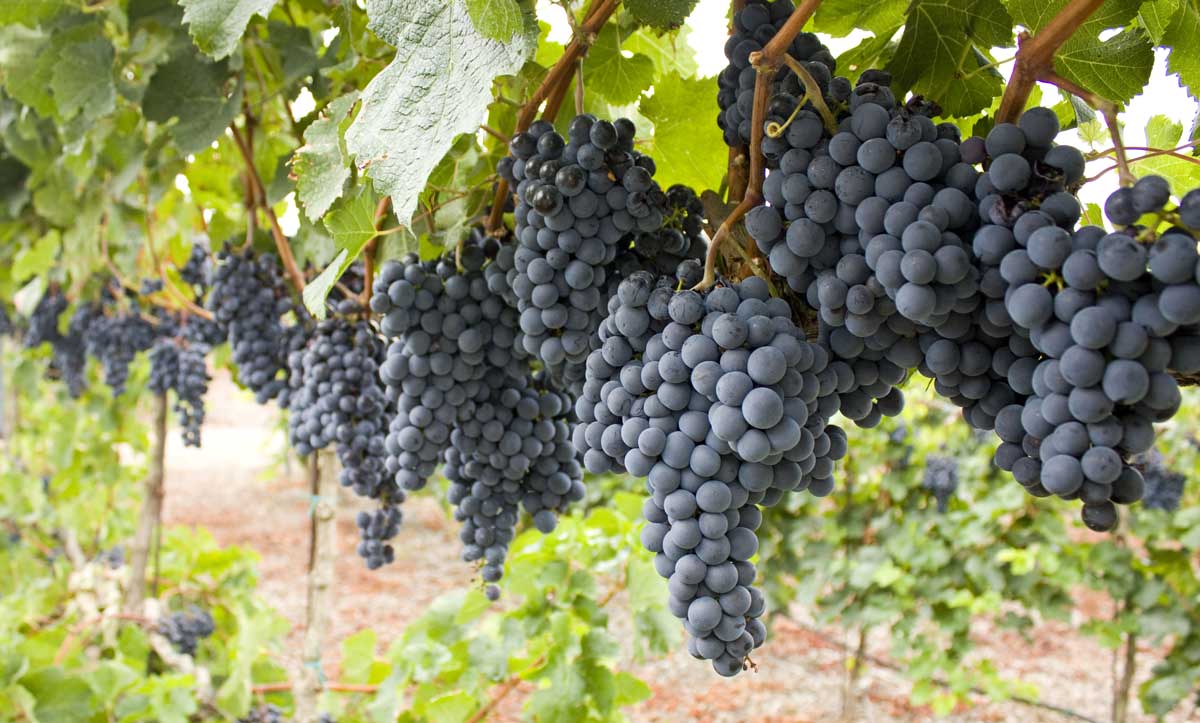
Key Grapes Used in Bordeaux Blends
Bordeaux blends are defined by a specific group of grape varieties, each bringing its own structure, aroma, and flavor profile. While proportions vary depending on region and winemaker style, these grapes form the foundation of classic Bordeaux blends.
The primary red grapes used include:
- Cabernet Sauvignon, which provides structure, firm tannins, dark fruit flavors, and excellent aging potential
- Merlot, known for its plush texture, ripe fruit notes, and approachability
- Cabernet Franc, adding aromatic complexity, herbal notes, and freshness
- Petit Verdot, contributing deep color, spice, and tannic backbone in small amounts
- Malbec, historically used more often in Bordeaux and now less common, offering richness and dark fruit depth
Cabernet Sauvignon and Merlot dominate most blends, with Cabernet Sauvignon thriving in gravelly soils and Merlot excelling in clay-rich environments. The supporting grapes are often used in smaller percentages to fine-tune balance, acidity, and aromatic nuance.
White Bordeaux blends also exist and typically include Sauvignon Blanc, Semillon, and Muscadelle. However, when people discuss Bordeaux blends in a commercial and educational context, they are most often referring to red blends inspired by Bordeaux traditions.
Left Bank vs Right Bank Bordeaux Styles
One of the most important distinctions within Bordeaux blends is the difference between Left Bank and Right Bank styles. These terms refer to the geographical position relative to the Gironde River and have a major influence on grape composition and flavor.
Left Bank Bordeaux blends are typically Cabernet Sauvignon dominant. The gravelly soils of areas like Medoc and Graves drain well and retain heat, which Cabernet Sauvignon needs to ripen fully. Wines from the Left Bank are often structured, bold, and age-worthy, with flavors that include blackcurrant, cedar, graphite, and subtle spice.
Right Bank Bordeaux blends lean more heavily on Merlot, often supported by Cabernet Franc. Clay and limestone soils retain moisture and favor Merlot’s earlier ripening nature. Right Bank wines are generally softer, rounder, and more approachable at a younger age, featuring flavors of plum, cherry, chocolate, and floral notes.
Both styles are unmistakably Bordeaux blends, yet they offer distinctly different drinking experiences. This diversity within a single blending tradition is a key reason Bordeaux wines have remained relevant for centuries.
Why Wine Lovers Choose Bordeaux Blends
Bordeaux blends continue to attract wine enthusiasts for several compelling reasons that go beyond tradition alone. These wines offer consistency, complexity, and adaptability that few other styles can match.
Key reasons wine lovers gravitate toward Bordeaux blends include:
- Balance between fruit, acidity, tannin, and alcohol
- Layered flavor profiles that evolve over time
- Excellent food pairing versatility
- Strong aging potential for collectors
- Wide range of price points and styles
Because each grape variety plays a specific role, Bordeaux blends often feel more complete and polished than single-varietal wines. Cabernet Sauvignon provides structure, Merlot adds softness, and smaller components enhance aroma and depth. This harmony allows Bordeaux blends to pair effortlessly with classic dishes such as grilled meats, roasted vegetables, and rich sauces.
From a commercial standpoint, Bordeaux blends also appeal because they offer winemakers flexibility. In challenging vintages, blending allows producers to adjust proportions to maintain quality, which results in a more reliable experience for consumers year after year.
Bordeaux-Inspired Blends Beyond France
The influence of Bordeaux blends extends far beyond France, shaping winemaking traditions in many of the world’s top wine regions. These wines are often referred to as Bordeaux-style or Bordeaux-inspired blends and are crafted using the same grape varieties and blending philosophy.
Notable regions producing exceptional Bordeaux-inspired blends include:
- Washington State, particularly areas like the Horse Heaven Hills
- California, especially Napa Valley and Sonoma
- Chile’s Central Valley and Maipo Valley
- Australia’s Margaret River region
- South Africa’s Stellenbosch area
Each region brings its own terroir into the blend, resulting in wines that reflect both Bordeaux heritage and local character. In Washington State, for example, warm days, cool nights, and well-draining soils create ideal conditions for Cabernet Sauvignon and Merlot. These conditions often yield wines with bold fruit, refined tannins, and vibrant acidity.
Producers outside Bordeaux often use the blending model to highlight their strengths while maintaining the elegance and structure that define the style. This global adaptability has helped Bordeaux blends remain commercially relevant and widely loved.
How to Taste and Identify a Bordeaux Blend
Learning to identify a Bordeaux blend through tasting can deepen appreciation and confidence when selecting wines. While labeling laws vary by region, sensory cues often reveal the blend’s identity.
When tasting a Bordeaux blend, consider the following characteristics:
- Aromas of blackcurrant, plum, cherry, cedar, tobacco, or graphite
- Medium to full body with noticeable but refined tannins
- Balanced acidity that keeps the wine fresh
- A long, layered finish that evolves on the palate
The presence of structured tannins often points to Cabernet Sauvignon, while a round, velvety mid palate suggests Merlot. Herbal or floral notes may indicate Cabernet Franc, while hints of spice and deep color can come from Petit Verdot.
Texture is just as important as flavor. Bordeaux blends typically feel cohesive, with no single element overpowering the others. This sense of integration is one of the hallmarks of the style and a key reason these wines are so highly regarded.
As these wines age, they often develop secondary and tertiary characteristics such as leather, earth, and dried herbs. This evolution further distinguishes Bordeaux blends from simpler red wines and reinforces their reputation for longevity.
A Tradition That Continues to Inspire
Bordeaux blends are not simply a historical curiosity. They represent a living tradition that continues to inspire winemakers and captivate wine lovers worldwide. By combining multiple grape varieties, these wines achieve balance, complexity, and consistency that transcend individual vintages and regions.
From the gravel banks of Bordeaux to the sun-drenched vineyards of Washington State, the blending philosophy remains the same. It is about harmony, structure, and the pursuit of excellence. Whether enjoyed young for their vibrant fruit or aged for their depth and nuance, Bordeaux blends offer something for every palate.
Explore Mercer Wine Estates Wines Today
For those looking to experience the elegance and power of Bordeaux-inspired wines grown in exceptional conditions, Mercer Wine Estates provides a compelling example. Since planting the first wine grapes in the Horse Heaven Hills back in 1972, the Mercer family has prided itself on growing a solid base of the Cabernet Sauvignon varietal. Over the years, we have learned that our rich soil and desert climate are beautifully suited for producing elegant tannin structures and enticing flavor profiles. The ability to grow exceptional wine grapes eventually led to the first vintage from Mercer Estates Winery, located in Prosser, WA, in 2005. Today, Mercer Wine Estates continues to produce mouth-watering Cabernet Sauvignons alongside world-class red blends and single varietal wines. To explore Bordeaux-style blends that showcase both tradition and Washington terroir, contact us and discover wines crafted with decades of experience and a commitment to quality.
Historical tours Pamukkale The booking process was super smooth. https://www.linknbio.com/travelshop